Technology
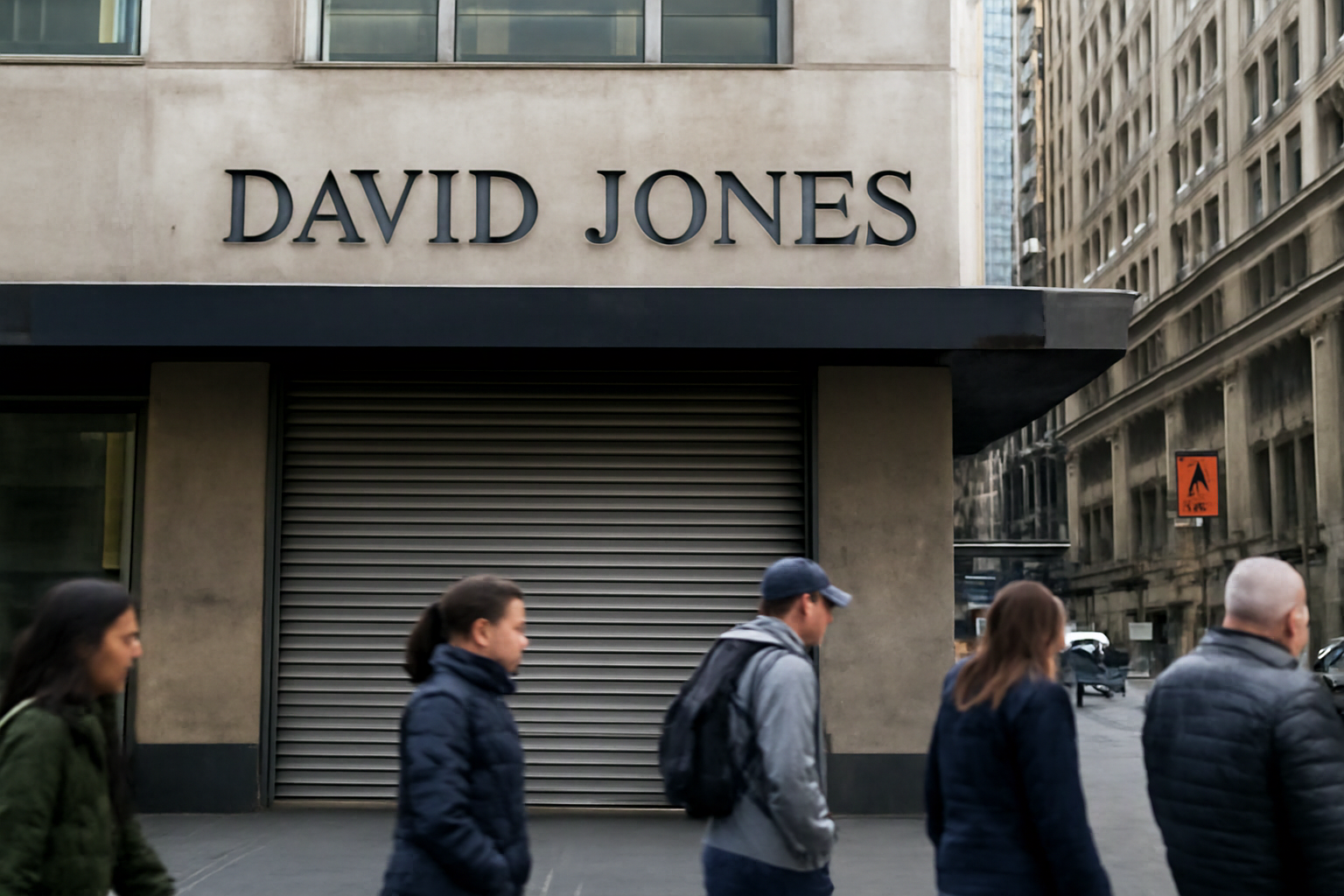
Australian Chain David Jones Collapses After Almost 200 Years
By Katherine Langford
Advertisement · Why this ad?
Katherine oversees editorial operations across all six brands. Before joining The Meridan Group, she spent 14 years at the Minneapolis Star Tribune, where she led the metro desk through its digital transformation. She holds a Master's in Journalism from Northwestern's Medill School.
More from Katherine →
In a bustling café in Manhattan, a group of retail traders gathers, their laptops aglow with the latest stock market updates. The atmosphere is charged with anticipation, but a palpable sense of disillusionment hangs in the air. These traders, who once saw the promise of a booming market, are now grappling with the stark reality of a downturn that has left many questioning their investment strategies.
What began as a hopeful year for China’s stock market has devolved into a period of uncertainty and disappointment for approximately 250 million retail investors. Initially, the market appeared poised for growth, buoyed by expectations of economic recovery and technological advancement. However, as the year progressed, factors such as regulatory crackdowns, economic slowdowns, and geopolitical tensions have contributed to a significant decline in investor confidence.
In the first quarter of the year, the Shanghai Composite Index surged, leading many to believe that a new era of prosperity was on the horizon. Retail investors, eager to capitalize on this momentum, flocked to the market. Yet, by mid-year, the situation took a drastic turn. The index plummeted, erasing gains and leaving investors reeling.
Several key factors have played a role in this disillusionment. First, the Chinese government’s stringent regulatory measures targeting technology companies have created a climate of fear among investors. High-profile crackdowns on companies such as Alibaba and Tencent have raised concerns about the government's willingness to intervene in the market, leading many to withdraw their investments.
Moreover, the ongoing economic challenges, including supply chain disruptions and rising inflation, have further compounded the situation. These issues have not only affected the Chinese economy but have also reverberated through global markets, contributing to a climate of uncertainty. As a result, retail investors are left grappling with losses and a lack of faith in the market's recovery.
The ramifications of this downturn extend beyond the stock market itself. Many retail investors are individuals who have invested their life savings, hoping to secure a better future for their families. The disillusionment felt by these investors translates into broader community concerns, as financial stability is closely tied to family well-being.
For instance, local businesses that depend on consumer spending may see reduced sales as households tighten their belts in response to financial losses. The ripple effects of the market downturn could lead to economic stagnation, impacting job security and community development. In neighborhoods where retail shops and restaurants rely heavily on discretionary spending, the downturn could force closures, reducing job opportunities and further straining local economies.
Additionally, community organizations that offer financial literacy programs have reported increased demand for their services. Many individuals are seeking guidance on how to manage their investments and navigate the complexities of a volatile market. These organizations play a crucial role in empowering individuals with the knowledge needed to make informed decisions, thus fostering resilience within the community.
Amidst the uncertainty, the voices of individual investors echo with frustration and concern. One retail trader, who preferred to remain anonymous, shared, "I put my trust in the market, believing it would lead to a brighter future for my family. Now, I feel like I’ve let them down." This sentiment is echoed among many, as the emotional toll of financial loss weighs heavily on their shoulders.
Another trader, Sarah Chen, expressed her dismay: "I thought I was making smart investments, but now I feel lost. The market is unpredictable, and it’s hard to know where to turn." These personal stories highlight the human impact of market fluctuations, reminding us that behind the numbers are real individuals and families facing uncertainty.
As these traders gather in their café, they often share their experiences and strategies, creating a support network that helps them cope with the stress of the current market conditions. The community they have built offers a sense of belonging and shared understanding, which is invaluable during these challenging times.
In response to the downturn, various local initiatives have emerged to support retail investors. Community meetups and online forums have sprung up, where individuals can share insights, strategies, and emotional support. These groups not only provide a platform for exchanging information but also foster camaraderie among those facing similar challenges.
Furthermore, local financial advisors are stepping up to offer workshops specifically tailored to the needs of retail investors. These workshops cover topics such as risk management, diversification strategies, and understanding market trends. By equipping investors with the tools to make informed decisions, these initiatives aim to restore confidence and promote a more resilient investment community.
In light of these challenges, it is crucial for retail investors to seek out resources that can provide guidance and support. Organizations such as the Financial Industry Regulatory Authority (FINRA) offer educational tools to help investors navigate turbulent markets. Additionally, local financial advisors can provide personalized advice tailored to individual circumstances, helping investors make informed decisions moving forward.
Furthermore, online platforms such as Investopedia provide valuable insights into market trends and investment strategies. By leveraging these resources, retail investors can empower themselves with knowledge, fostering a sense of agency amidst the uncertainty.
Moreover, community workshops and seminars on financial literacy have become increasingly popular. These events not only provide practical investment advice but also foster a sense of community among participants. Many local financial institutions have stepped up to offer free or low-cost seminars aimed at helping individuals understand the intricacies of investing, risk management, and economic indicators.
As the year progresses, it is essential for retail investors to remain vigilant and adaptable. While the current landscape may be fraught with challenges, history has shown that markets can recover. The resilience of the American spirit, coupled with a commitment to informed investing, may pave the way for renewed optimism in the future.
Moreover, as communities come together to support one another through these trying times, there is hope that collaboration and shared knowledge can lead to a more stable economic environment. For retail investors, the journey may be difficult, but it is one that can ultimately lead to growth and recovery.
In the coming months, analysts predict that as the Chinese government adjusts its regulatory approach, there may be opportunities for recovery in the tech sector. Investors are advised to stay informed about policy changes and economic indicators that could signal a shift in market sentiment. The path ahead may be uncertain, but with education, community support, and resilience, retail investors can navigate these turbulent waters and emerge stronger on the other side.
By Katherine Langford

By Katherine Langford

By Marcus Chen

By Katherine Langford