
Technology
Micron, Sandisk and other AI stocks are falling hard: ‘Investors don’t like uncertainty.’
By Katherine Langford
Advertisement · Why this ad?
Katherine oversees editorial operations across all six brands. Before joining The Meridan Group, she spent 14 years at the Minneapolis Star Tribune, where she led the metro desk through its digital transformation. She holds a Master's in Journalism from Northwestern's Medill School.
More from Katherine →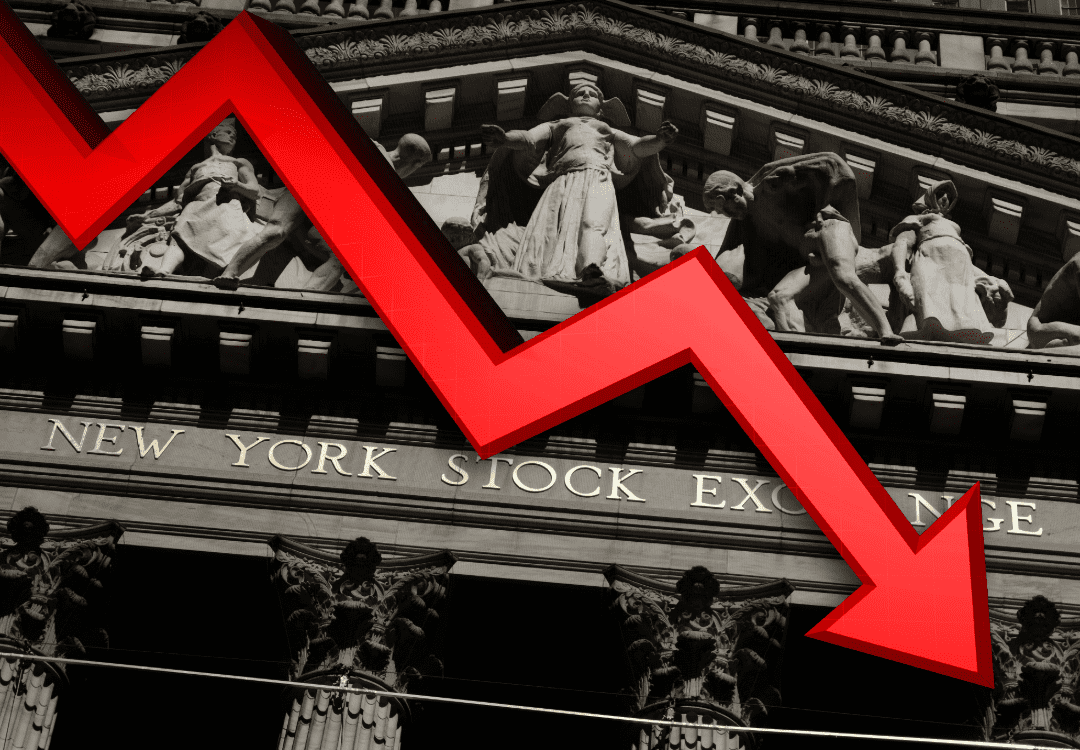
On a brisk Thursday morning in New York City, the bustling streets were filled with the usual hum of commuters, but the atmosphere in the financial district was notably tense. Traders and investors alike were grappling with a sudden and severe selloff in the technology sector, casting a shadow over Wall Street's recent optimism. Just a day prior, stocks had experienced a notable rebound following the Democrats' sweeping victory in the midterm elections, but the euphoria was short-lived.
On Thursday, the stock market faced a significant downturn, primarily driven by a steep decline in tech stocks. Major indices, including the S&P 500 and Nasdaq, saw substantial losses as investors reacted to a combination of factors that raised concerns about the sustainability of the recent market rally. The tech sector, which had been a primary driver of market gains in recent years, appeared particularly vulnerable to selling pressure.
This selloff was not merely a reaction to political events but was also influenced by broader economic indicators. Analysts pointed to rising inflation rates and ongoing supply chain issues as key contributors to the uncertainty plaguing the market. As tech giants like Apple and Amazon reported disappointing earnings forecasts, investors began to reassess their positions, leading to a wave of selling that rippled through the market.
As news of the market's decline spread, reactions poured in from various sectors of the community. Small business owners, who had been relying on a stable economic environment to recover from the pandemic, expressed concern about the potential ripple effects of a crashing stock market. Many voiced fears that a prolonged downturn could stifle consumer spending and hinder their recovery efforts.
“We’ve just started to see some stability in our sales,” said Maria Lopez, owner of a local café in Manhattan. “If the stock market keeps falling, it could affect how much people are willing to spend. We need the economy to stay strong.”
Lopez's sentiments were echoed by other business owners in the area. At a nearby boutique, owner Thomas Chen noted, “Our customers are already cautious about spending. If they see the market dropping, they might hold off on purchases, which could affect our bottom line.” Local retailers and service providers are acutely aware of how consumer confidence is tied to market performance, and many are bracing for potential declines in foot traffic and sales.
For individual investors, the selloff presented a stark reminder of the volatility inherent in the stock market. Many had entered the market during the pandemic, buoyed by optimistic forecasts and a belief that tech stocks would continue to soar. However, Thursday's downturn prompted a reevaluation of investment strategies.
“I thought I was doing everything right by investing in tech,” remarked John Smith, a retail investor. “But now I’m questioning my decisions. It feels like we’re on shaky ground.”
Smith's concerns were shared by many in the investment community. Financial advisors noted that a significant portion of their clients had invested heavily in tech stocks, driven by the sector's past performance. “We’re advising our clients to consider diversifying their portfolios,” said Linda Garcia, a financial advisor based in Brooklyn. “The tech sector has been a powerhouse, but it’s important to remember that market conditions can change rapidly.”
The implications of this tech selloff extend beyond Wall Street, impacting the broader economy. Economists warn that a significant downturn in the stock market can lead to decreased consumer confidence, which in turn can affect spending and investment decisions. The tech sector has been a critical driver of job growth and innovation, and any prolonged decline could hinder progress in these areas.
Moreover, as businesses brace for potential economic headwinds, many are reconsidering their hiring plans. Companies that had previously announced expansions may now delay or scale back their initiatives, further impacting employment rates. The interconnected nature of the economy means that a downturn in one sector can have cascading effects across the board.
For instance, local tech startups in NYC, which had thrived in the past few years, are now facing uncertainty. Entrepreneurs like Sarah Kim, co-founder of a tech startup, expressed concern: “We were planning to hire more staff and invest in new projects, but with the market’s instability, we might have to pause and rethink our strategy.” The tech ecosystem in the city, which has become a hub for innovation, could see a slowdown in growth if the current trends continue.
In response to the downturn, community organizations are stepping up to support local businesses and entrepreneurs. The Manhattan Chamber of Commerce is actively working to provide resources and assistance to small business owners who are feeling the impact of the market decline. They have launched initiatives aimed at helping businesses navigate financial uncertainties, offering workshops on financial literacy and strategic planning.
“We want to ensure that our local businesses have the tools they need to survive and thrive, even in uncertain times,” said Chamber President David Goldstein. “Our goal is to foster resilience within the community and help business owners adapt to the changing landscape.”
Additionally, local investment groups are beginning to explore alternative funding avenues for startups that may be struggling to secure venture capital amid the market's volatility. These initiatives aim to keep innovation alive in the city, even as the broader economic climate remains shaky.
Looking ahead, market analysts are closely monitoring the situation for signs of stability. While the tech sector has faced significant challenges, there are indications that some companies may rebound as they adapt to changing market conditions. Investors are urged to remain vigilant and consider diversifying their portfolios to mitigate risks associated with market volatility.
Furthermore, the upcoming economic reports and earnings announcements will play a crucial role in shaping market sentiment. As companies navigate the post-pandemic landscape, their ability to report positive growth and manage supply chain disruptions will be critical in restoring investor confidence.
In the meantime, local organizations like the Manhattan Chamber of Commerce are stepping up efforts to support small businesses during this tumultuous period. They are offering workshops and resources to help business owners navigate the challenges posed by the market downturn. “We want to ensure that our local businesses have the tools they need to survive and thrive, even in uncertain times,” said Chamber President David Goldstein.
In conclusion, the recent selloff in the tech sector serves as a reminder of the fragility of the stock market. While the midterm elections initially sparked optimism, the subsequent decline highlights the complex interplay between political events, economic indicators, and investor sentiment. As New Yorkers and investors navigate these uncertain times, the focus will remain on fostering resilience in the face of adversity, ensuring that families and communities can thrive amid economic challenges. The road ahead may be bumpy, but with community support and strategic planning, there is hope for recovery and growth.
By Katherine Langford

By Katherine Langford

By Marcus Chen
By Katherine Langford