
Technology
SpaceX Default Risk Hits Fresh Peak as Tech-Led Selloff Builds
By Katherine Langford
Advertisement · Why this ad?
Marcus manages the day-to-day editorial workflow across all brands, coordinating coverage assignments and ensuring editorial standards are met. He previously served as city editor at the Pioneer Press and holds a degree in Political Science from Carleton College.
More from Marcus →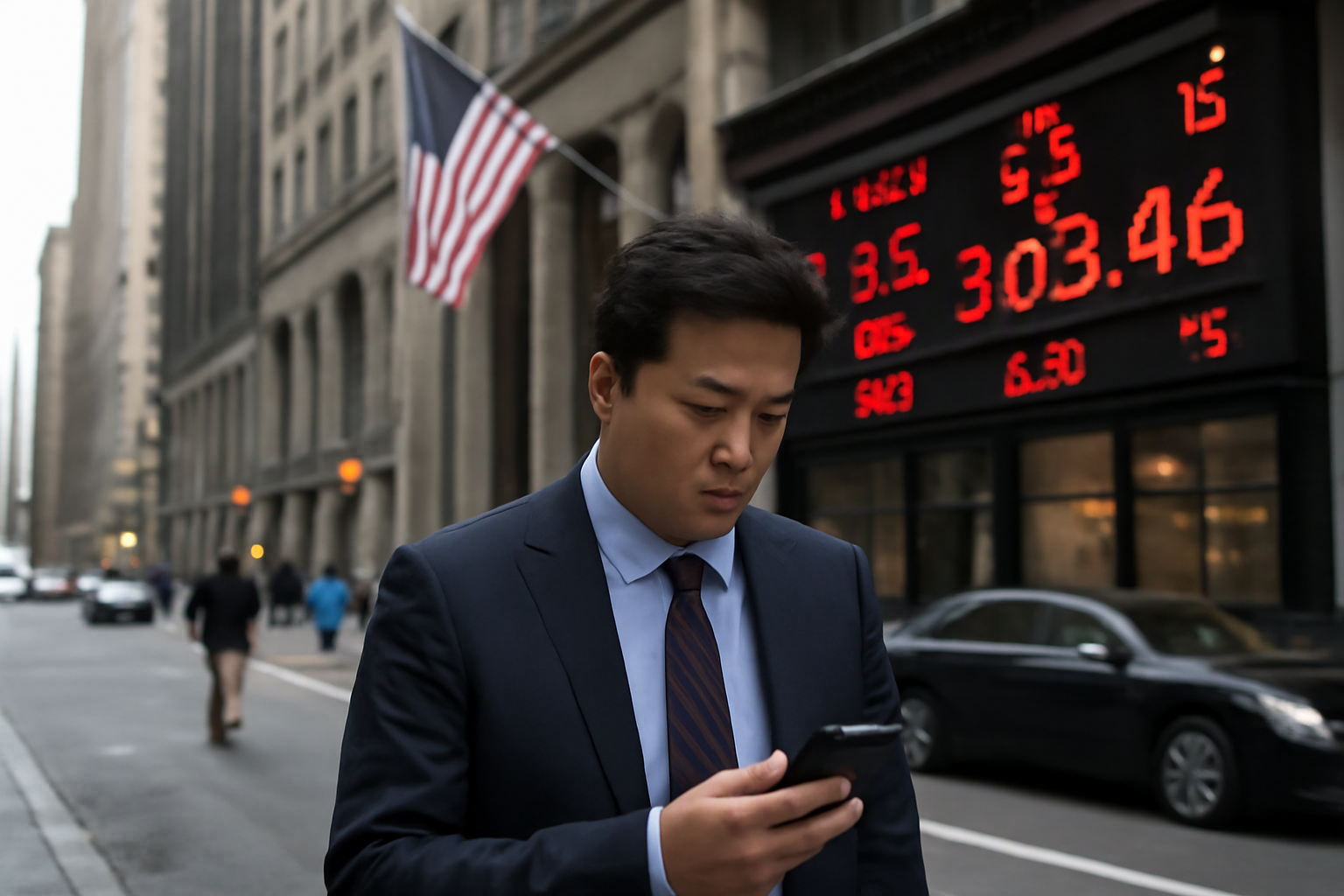
In a quiet corner of Manhattan, Lisa Chen watches her phone with a worried frown. Her small tech startup relies heavily on AI tools, and the recent turmoil in Asian markets feels like a storm brewing that could hit her business hard. As Asian stock futures plummet and Wall Street’s AI rout intensifies, everyday investors and entrepreneurs like Lisa face uncertain economic terrain. The hard truth is that a global selloff in tech stocks, especially in Asia, signals more than just market jitters — it reflects deepening fears about regulation and the future of artificial intelligence.
On Friday, Asian stock futures indicated significant declines, with markets bracing for a steep selloff. The slide follows a sharp downturn on Wall Street, where tech stocks, particularly chipmakers, tumbled amid fears that Democratic lawmakers will push for tighter regulation of AI technology. The Dow Jones Industrial Average and NASDAQ both saw declines, echoing investor concerns that increased government oversight could curb innovation and impact profitability for tech giants.
The rout is driven by a combination of geopolitical tensions, inflation worries, and fears that aggressive regulation could stifle the growth of AI companies. Notably, the Hang Seng Index in Hong Kong and the Nikkei 225 in Tokyo both showed early signs of weakness, reflecting a broader regional anxiety about the future of technology investments. The decline is not just a blip but part of a broader trend that could reshape Asian markets in the coming weeks.
The AI industry has been a hotbed of innovation and investment, but recent developments suggest a turning point. Lawmakers in the U.S. and across Asia are increasingly vocal about the need for regulation to prevent misuse and ensure ethical deployment. However, critics warn that excessive regulation could slow down progress, threaten jobs, and undermine the competitiveness of domestic tech firms.
In particular, the U.S. Congress is considering bills that could impose stricter controls on AI development, citing concerns over privacy, security, and misinformation. These moves have sent shockwaves through markets, especially among chipmakers and AI startups that depend on continuous innovation. The fear is that regulatory hurdles could lead to a slowdown in growth, affecting millions of jobs and billions in investments globally.
Asia has long been considered the global hub for semiconductor manufacturing and AI innovation. Countries like South Korea, Taiwan, and China have invested heavily in AI research and development, with governments actively supporting tech giants and startups alike. For instance, Taiwan’s semiconductor industry, which supplies chips to the world, faces uncertainty as global tensions and regulatory fears mount.
In Japan, the government has announced initiatives to strengthen its AI ecosystem, aiming to become a leader in robotics and automation by 2030. South Korea’s tech giants, such as Samsung and LG, have also been at the forefront of integrating AI into consumer electronics and mobile devices. However, the recent market turbulence poses a threat to these ambitions, potentially delaying projects and reducing foreign investment.
Local communities, especially those dependent on manufacturing and tech exports, are feeling the strain. Small towns in Taiwan, known for their semiconductor factories, are bracing for possible layoffs if the industry slows down. In Seoul and Tokyo, tech workers are worried about job security amid the uncertain outlook. The ripple effects could extend beyond markets, affecting local economies and the everyday lives of millions.
For small business owners like Lisa Chen, the impact is personal. Her company, which develops AI-driven customer service solutions, has seen a slowdown in funding and client contracts. “We’ve built our future on AI, but now I worry that new regulations might make it impossible to keep innovating,” she says. Her story echoes across countless startups and workers who see their livelihoods intertwined with the fate of this rapidly evolving industry.
Beyond entrepreneurs, families and communities face ripple effects. As markets falter, some fear layoffs in tech sectors, which could hit families hard, especially those committed to traditional values of stability and faith. Strong marriages and families thrive on economic stability, and prolonged downturns threaten to undermine that foundation for many Americans.
In the New York City area, where tech startups and service firms are vital to the local economy, small business owners are already feeling the pinch. Local chambers of commerce report increased inquiries from businesses seeking financial advice and contingency planning. Faith-based organizations have stepped up, emphasizing community resilience and spiritual support during these turbulent times.
Looking ahead, analysts warn that the current selloff could persist until clarity emerges on regulatory policies. Investors are watching Washington and Beijing closely, hoping for a balanced approach that fosters innovation without sacrificing safety. Meanwhile, community leaders and faith-based organizations emphasize the importance of steadfastness and resilience in times of economic uncertainty.
For residents and small business owners, the key is staying informed and prepared. Resources like the NYC Department of Small Business Services and the U.S. Small Business Administration provide guidance on navigating market volatility. Local workshops and webinars are being organized to help entrepreneurs understand potential impacts and plan accordingly.
Community organizations and faith communities are also mobilizing to provide support. Churches, mosques, and synagogues are holding prayer vigils and offering counseling services, emphasizing that spiritual resilience is vital in times of economic distress. The message is clear: while markets fluctuate, faith and community can be anchors that help families endure.
Local policymakers are increasingly aware of the need to cushion the economic blow for small businesses. City officials are exploring measures such as temporary tax relief, grants for innovation, and workforce retraining programs. Business leaders are advocating for a balanced approach to regulation—one that protects consumers and workers without stifling growth.
In New York City, the Mayor’s Office has announced initiatives to support tech startups and small manufacturers, recognizing their importance to the city’s economic vitality. These efforts include partnerships with local universities and tech incubators to foster innovation and provide resources for entrepreneurs navigating the uncertain market landscape.
History shows that economic downturns, while painful, often lead to long-term innovations and shifts in industry paradigms. The Great Recession, for example, spurred a wave of entrepreneurship and technological advancement that transformed many sectors. Similarly, the current AI regulatory fears, while challenging, could drive the industry toward more sustainable and ethical practices, ultimately strengthening the ecosystem.
Community resilience, rooted in faith, family, and local solidarity, has been a consistent theme throughout American history. From the Dust Bowl to the 2008 financial crisis, communities have shown remarkable capacity to recover and adapt. The key lies in collective action, informed decision-making, and faith in a brighter future.
As the world watches the unfolding AI debate, one thing remains clear: communities built on faith, strong families, and committed marriages are better equipped to weather economic storms. The coming weeks will test our resilience, but history shows that steadfastness and hope in God’s promises can sustain us through even the darkest days.
By Katherine Langford

By Marcus Chen
By Katherine Langford

By Katherine Langford